
Cross stitch has its own language. If you’re new to the craft, the terms and abbreviations in patterns and stitching groups can sound like a secret code.
This glossary breaks down common cross stitch terms and terminology, techniques, acronyms, tools, and stitching methods you’ll see in patterns, tutorials, and stitching communities, especially if you’re new to cross stitch.
Terms are listed alphabetically below, or use Ctrl+F (Cmd+F on Mac) to search the page.
Jump to: A · B · C · D · E · F · G · H · I · J · K · L · M · N · O · P · Q · R · S · T · U · V · W · X · Z
Aida

A popular type of cross-stitch cloth, great for beginners (but popular with all stitchers) due to its even weave and stiffness. Stitching on dark fabric? Try our tips for stitching on black Aida.
Aida Band
A narrow strip of Aida with finished, decorative edges, so there’s no hemming to do. Popular for bookmarks, jar bands, towel trims and birthday banners. More in our Aida cloth beginner’s guide.
Anchor
Another long-established embroidery thread brand. Many patterns give Anchor numbers as well as DMC, and conversion charts help you swap between them. See our guide to embroidery floss alternatives to DMC.
Aperture Card
A greetings card with a window cut in the front. You mount a small piece of stitching behind the window, and the card frames it. A quick way to turn a small finish into a gift, along with these small cross stitch projects and gifts.
Backstitch
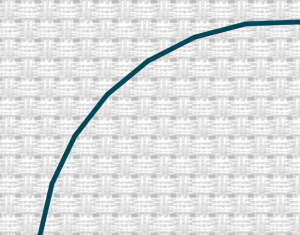
A line of stitches used to outline shapes, add detail, or define lettering in a design. People either love it (me!) or hate it. Backstitch alphabets are popular for lettering.
BAP / MCBAP (Big Project / Multi-Coloured Big Project)
A very large design, usually full coverage, that will keep you company for months or years. The “A” stands for a cheekier word than “Awesome”, which is the version we’ll print. MCBAP is the same beast with a huge colour count and confetti to match. We’re firmly on the side of small and finishable here (the joy is in finishing, after all), but there’s real satisfaction in a BAP if you’ve got the patience. The author, having once lived in Aberdeen in Scotland, maintains that a bap is also a very good bread roll and a far quicker thing to finish.
Basting / Tacking
Temporary stitches used to hold fabric in place or mark guidelines before you start stitching. Basting stitches are usually long and loose, making them easy to remove later. Some stitchers use basting to mark the centre lines of their fabric or to secure fabric to a frame.
Beading Needle
A very long, very fine needle with a tiny eye, thin enough to pass through seed beads. You’ll need one when a pattern asks you to attach beads.
Binca
A very open, Aida-style fabric with large holes, usually 6 count. It’s mostly used for teaching children to stitch and for quick, bold projects. Compare it with standard Aida cloth.
Biscornu
A small, eight-sided stuffed cushion made from two squares of stitching. The squares are joined at an angle, so each corner of one meets the middle of a side on the other, and a button or bead pulled tight through the centre gives it that dimpled, slightly squashed shape. The name comes from a French word for quirky or lopsided. Biscornus make lovely pincushions, ornaments and gifts, and you’ll find more ideas in our small cross stitch projects and gifts.
Blackwork
A style of counted embroidery worked in backstitch-type lines, traditionally in black thread, forming geometric fill patterns. It dates back to Tudor England and pairs nicely with cross stitch.
Blended Threads
A stitching technique where two different floss colours are threaded in the needle at the same time. Blended threads are used to create subtle shading, smoother colour transitions, or depth in a design.
Bobbin
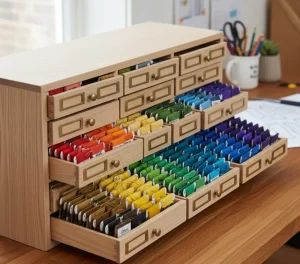
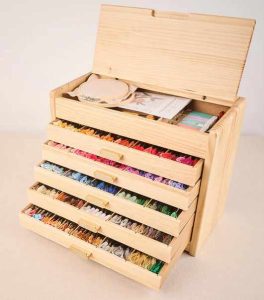
A small card or plastic spool that you wind floss onto to keep it tidy and tangle-free. Bobbins slot into storage boxes and get labelled with the floss number, which makes a big stash far easier to live with. Winding them is either the most relaxing or the most tedious part of the hobby, depending on who you ask. Hand-dyed and specialty threads sometimes come as hanks that need winding before use. If you’d rather skip bobbins altogether, our floss organizer cards are another tangle-free option.
Carrying Thread
Moving floss across the back of the fabric between stitches instead of ending and restarting.
Center Start / Starting in the Middle
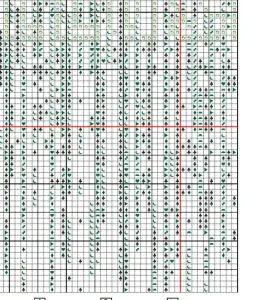
A common method of beginning a project by finding the center of the fabric and matching it to the center of the pattern.
Colonial Knot
A raised knot used for eyes, flower centres and texture, like a French knot. The difference is how you wrap it: instead of twisting the thread around the needle, you wrap it in a figure-eight. That makes a knot that sits a little higher, keeps a neat round shape and is less likely to pull through to the back. Many stitchers find colonial knots easier to get consistent than French knots.
Confetti Stitches
Single stitches or small clusters of stitches scattered throughout a design, often in many different colors. Confetti-heavy sections are where mistakes often hide.
Confetti-Heavy Design
A pattern with many single stitches in different colors, often time-consuming but detailed.
Counted Cross Stitch
Cross stitch worked on plain fabric by counting squares from a chart. It’s what most people mean by cross stitch, as opposed to stamped cross stitch where the design is printed on the fabric.
Count (Fabric Count)

Refers to how many stitches fit into one inch of fabric, for example 14-count Aida or 28-count linen. The count affects stitch size and finished project dimensions. Our guide to calculating cross stitch fabric size shows how the count changes the size of your finished piece. Not sure what count your fabric is? Our free printable Aida ruler lets you check it in seconds.
Coverage
How well the stitches fill the fabric, often discussed when choosing thread count, strand number, or fabric type.
Cross-Country Method
A stitching approach where you complete one colour across an area of the design before moving on to the next colour. Some stitchers prefer this method because it reduces thread starts and stops.
Cross-Stitch Chart/Pattern
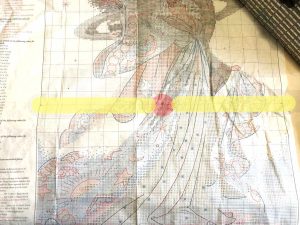
The guide that shows where to stitch and which colors to use. Charts usually use symbols to represent different floss colors. If you’re new to reading charts, our guide to cross stitch patterns for beginners walks you through it.
Cross Stitch Journal (Stitching Planner)
A notebook or printable planner where you keep track of your stitching. You can list your WIPs, note start and finish dates, record the floss and fabric for each project, keep progress photos and jot down what you’d do differently next time. It sounds like extra admin, but it pays off: it’s easier to pick up a project you haven’t touched for months, you stop buying floss you already own, and seeing your finishes add up is surprisingly motivating. It also becomes a lovely record of everything you’ve made. We explain more in how a cross stitch planner can help you enjoy stitching more, and our printable cross stitch planners have the pages ready to go.
CXC
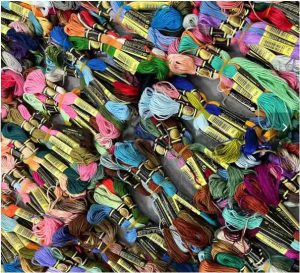
A Chinese embroidery floss brand numbered to match DMC colours and usually sold in big, inexpensive full sets. Stitchers are divided on it: the price is great, but colour matching and quality can vary from batch to batch. More in our guide to floss alternatives to DMC.
Danish Method
A stitching method where you work a row of half stitches in one direction, then return to complete the crosses. This method is commonly used for large areas of the same color. Compare with the English method.
Discontinued Thread (Discontinued Colour)
A floss shade the manufacturer has stopped making. DMC retires colours from time to time and adds new ones, which is why an old chart can call for a number you can’t buy any more or why you can sometimes still buy a discontinued colour, because shops sell through older stock for a while. Our floss inventories include a discontinued-thread chart with suggested replacements, so you can match an old number to a current one.
DMC
The French thread company whose stranded cotton is the most widely used floss in cross stitch. Most patterns list colours by DMC number.
Embroidery Hoop
A tool used to keep the fabric taut while working on cross-stitch projects. Our guide to setting up fabric for cross stitch covers getting your fabric ready to stitch.
Embroidery Scissors
Small, sharp scissors with fine points for snipping threads close to the fabric. Keep them for thread only, because cutting paper or fabric soon blunts them.
Embroidery vs Cross Stitch
Cross stitch is a type of embroidery. Embroidery is the broader term for any decorative stitching on fabric, including techniques like crewel, Sashiko, and Suzhou silk work. Cross stitch uses X-shaped stitches on an even-weave fabric, usually following a counted pattern. So all cross stitch is embroidery, but not all embroidery is cross stitch. The Bayeux Tapestry, for example, is embroidery but not cross stitch.
English Method
A stitching method where you complete each cross before moving on to the next one. It’s handy for confetti stitches and areas with lots of colour changes. Compare with the Danish method, where you stitch a row of half stitches first and cross them on the way back.
Evenweave
A way of describing a fabric that’s great for cross stitching, and a type of fabric where the threads of the fabric itself are of even thickness and spacing, so that when you stitch on it, you get perfect little crosses.
Aida is one type of even weave. You’ll also hear about linen, Lugana, Jobelin, and others. And you’ll hear about other things to stitch on, like plastic canvas or novelty materials like drilled wood.
Fat Quarter
A piece of fabric measuring approximately 18 × 22 inches (or 50 × 55 cm), created by cutting a half metre of fabric in half again. Fat quarters are popular because they give you a more usable square shape than a regular quarter metre cut.
You’ll see this term more often in quilting, but cross stitchers buying speciality or hand-dyed fabrics may encounter it too.
FFO (Fully Finished Object)
A project that isn’t just stitched but actually finished into something: framed, made into a cushion, an ornament, a hanging, a bag. The step beyond an FO. A finished cross is a lovely thing, but an FFO is a thing you can hang on the wall or give away, which is where we reckon half the joy lives.
Finishing
The process of turning your completed stitching into something usable or displayable, whether that’s framing, mounting in a hoop, making a cushion, or sewing it into a bag. Finishing is often the step that turns a “done” project into a “really done” project.
We’ve got a full guide to finishing methods if you’re looking for ideas.
Floor Stand
A stand that sits on the floor in front of your chair and holds your hoop or frame at a comfortable height, leaving both hands free to stitch. Good for big projects and for anyone whose hands or wrists get tired.
Floss
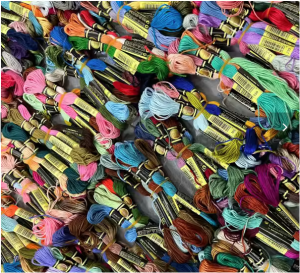
The mercerized embroidery thread used in cross-stitch, typically composed of six individual threads or plies. DMC is generally regarded as the best quality floss. It’s colour-fast, has a brilliant range of colours, and is widely available so it’s easy to get. Other quality brands include Anchor, Semco, and Cosmo. Whatever brand you use, it’s worth deciding whether to organise your floss by colour or by number.
Flosstube
The cross stitch corner of YouTube, where stitchers post videos sharing their progress, stash, new patterns, finishes and hauls. Flosstube is where a lot of the community lives and where many of these terms get passed around, so if you’ve heard a word here you didn’t recognise, there’s a good chance it came from someone’s Flosstube channel. You’ll find the same thing on other platforms too, sometimes called StitchTok on TikTok, and a thriving stitching community on Instagram under hashtags like #crossstitchersofinstagram. Equal parts inspiration and enabler of SABLE (see below).
FO (Finished Object)
A completed cross-stitch project.
Fractional Stitches
A partial stitch, such as a quarter, half, or three-quarter stitch. Fractional stitches are often used to create curves, soft edges, or fine detail that full crosses can’t show.
Fray Check
The brand name of a liquid seam sealant, now used for any product that stops cut edges from fraying. A thin line along the edge of your fabric keeps it neat while you stitch. Test it on a scrap first, because some brands can stiffen or darken the fabric.
French Knot
A small, raised knot created by wrapping the thread around the needle. It is often used for eyes, dots, or textured details.
Frogging
The process of ripping out stitches in your project after making a mistake. It’s a term used across many handcrafts where you might have to “rip-it rip-it” (ribbit ribbit – like a frog – geddit? :)) like knitting, crochet, embroidery and sewing.
If you want a deeper look at frogging, including when to do it and how to undo stitches safely, we’ve got a full guide on that here.
Full Coverage
A design where stitches cover the entire fabric, leaving no background visible.
Grain (Fabric Grain)
The direction of the fabric threads. Stitching with the grain helps keep projects square and prevents distortion.
Gridding (Gridlines)
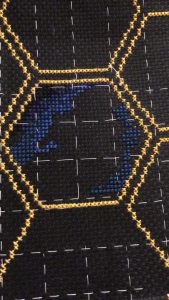
Gridlines are the heavier lines printed on cross stitch patterns that help you count and align your stitches accurately. Gridding also means marking the same grid on your fabric, with a removable pen or thread, so your stitching lines up with the pattern. Our guide to gridding cross stitch fabric explains how to do it and whether it’s worth it.
Gridding is creating gridlines on fabric, to help count and align stitches with the pattern.
HAED
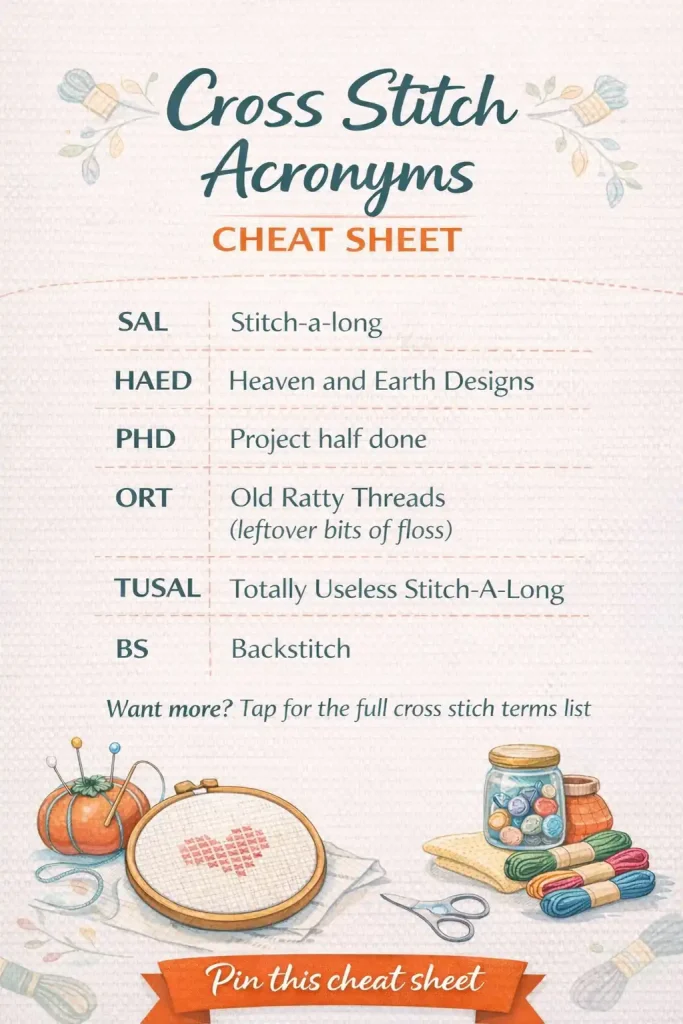
Heaven and Earth Designs – a pattern company known for high quality detailed designs.
Half Stitch
One diagonal leg of a cross stitch, worked on its own. Patterns use half stitches for shading or softer backgrounds, and they’re also the first step of every full cross stitch.
Hand-Dyed Thread
Floss dyed in small batches, often with gentle colour changes along the strand, a little like variegated thread. Each batch can vary, so it’s wise to buy enough for the whole project at once.
Hank
A way of packaging embroidery thread, where the thread is wound into a loose loop or coil rather than the familiar DMC skein shape. Hanks are more common with specialty threads, hand-dyed threads, or silk. They usually need to be wound onto a bobbin or card before use to prevent tangling.
Hardanger
A Norwegian whitework technique that combines blocks of satin stitch with cut and drawn threads to create lacy, open patterns. It’s usually worked on special Hardanger fabric.
Hoop Finish
Displaying a finished piece in its embroidery hoop, with the excess fabric gathered or glued at the back. It’s one of the quickest and cheapest finishes, and one of our 20 ways to finish cross stitch.
In Hand (Stitching in Hand)
Stitching without a hoop or frame, holding the fabric in your hand as you work. Some stitchers prefer this for portability or comfort, while others find it harder to maintain even tension.
Jobelan
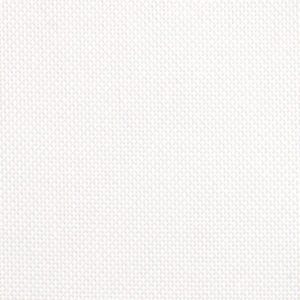
A soft evenweave fabric made from a cotton blend, often in 28 count. It has a lovely drape and comes in lots of colours. See our guide to choosing evenweave fabrics.
Kitting/Kitting Up
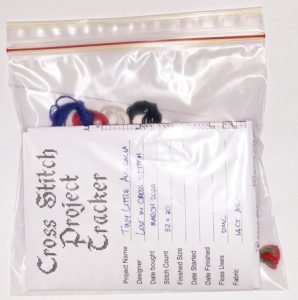
Preparing all the materials for a project before you start stitching—gathering the fabric, cutting and organising your threads, printing the chart, and getting everything together so it’s ready to go. Kitting up in advance means you can sit down and stitch without hunting for supplies.
We’ve got a full guide to kitting up your projects if you want to dig deeper.
Lacing
A way of mounting finished stitching over card or board by running long stitches across the back from side to side and top to bottom. It holds the work taut without glue, which is why framers and heirloom stitchers like it.
Lap Stand
A smaller stand that rests on your lap or slides under your leg while you sit, holding your hoop or frame steady so both hands are free.
Linen
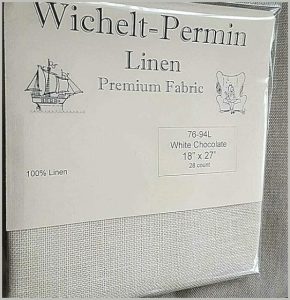
A type of evenweave fabric made from flax fibres, popular with more experienced stitchers. Linen has a slightly irregular texture that gives finished pieces a softer, more traditional look. It’s typically stitched over two threads (so 28-count linen produces the same stitch size as 14-count Aida). Linen is more expensive than Aida and requires a bit more care when stitching, but many stitchers love the drape and feel of the finished result. More on linen and other evenweave fabrics here.
LNS / ONS (Local Needlework Shop / Online Needlework Shop)
Your local bricks-and-mortar stitching shop, or its online equivalent. You’ll see both in conversation when stitchers talk about where they buy fabric, floss and patterns. A good LNS is a treasured thing and sadly a rarer one these days, which is part of why so much stash-building has moved to the ONS.
Long Stitch
A single straight stitch that crosses several squares, often used for whiskers, flower stems or straight lines in a design.
Loop Start (Knotless Method)
A way of starting your thread without using a knot. It helps keep the back of your work neat.
Lugana
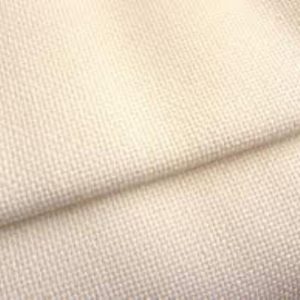
A popular evenweave fabric made from a cotton-rayon blend. Lugana is smoother and more uniform than linen, but still has that soft drape that evenweave stitchers love. It’s often recommended as a stepping stone for stitchers moving from Aida to evenweave fabrics. Like linen, it’s usually stitched over two threads. More on Lugana and other evenweave fabrics here.
Metallic Thread
Shiny thread with a metallic finish, used for sparkle and highlights. It can fray and tangle, so shorter lengths and a needle with a larger eye help.
Motif
A small stand-alone design, or one element within a larger pattern, such as a flower, heart or animal. Samplers are often built from lots of motifs.
Mouliné Étoile
A DMC thread with a subtle sparkle effect that adds a gentle shimmer to stitches.
Murano
A smooth evenweave from Zweigart, a cotton and viscose blend usually sold in 32 count. A favourite for fine detail stitched over two. See our guide to choosing evenweave fabrics.
Needle Case (Needle Book)
A small fabric folder with felt pages for keeping your needles safe, so they don’t end up lost in the couch cushions. A stitched cover makes it a quick and useful finish, and ours is also where the Snag Nab-It lives. Our needle case pattern shows you how to sew an Aida needle book in an afternoon, and there are more ideas in our small projects post.
Needle Minder
A magnetic accessory used to hold needles while you stitch. You can turn anything into a needle minder with a good magnet, or buy a huuuge range of them in your LNS or ONS.
Needle Threader
A small tool with a fine wire loop that you push through the eye of the needle to pull the thread back through. A lifesaver for small needle eyes and tired eyes.
OAP (Orphaned Adopted Project)
Someone else’s unfinished project that you’ve taken in, often picked up secondhand or handed on by a stitcher who ran out of love (or time) for it. You’re giving it a home and seeing it through. Noble work, though it does mean inheriting their thread choices and their tension.
ORT (Old Ratty Threads / Odd Random Threads)
The little leftover bits of floss that multiply faster than bunnies under your stitching lamp. Too short to re-thread your needle, too pretty to throw away. Many stitchers collect them in an ORT jar, a sparkly time capsule of projects past.
Some even take part in the TUSAL—the Totally Useless Stitch-A-Long—where everyone proudly shows off their jar of thread confetti each month. Proof that even your scraps can be part of the art.
Over 1 / Over 2
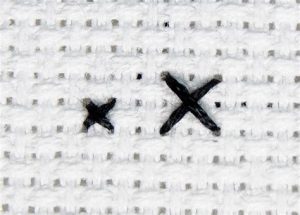
Describes how many fabric threads each cross stitch covers, usually when stitching on even-weave fabrics like linen or Lugana.
When you stitch over two threads, each cross spans two threads of fabric in each direction. This is the most common method for evenweave and linen, and it produces the same stitch size as Aida with the same count number—so 28-count linen stitched over two gives you the same finished size as 14-count Aida.
Stitching over one means each stitch spans just one thread, producing much smaller stitches (sometimes called petite stitching) and a smaller finished piece—half the size of over two on the same fabric.
Most patterns designed for evenweave assume over-two stitching unless they specify otherwise.
Parking
A method often used for complex, multi-color designs. You leave threads in place, or “park” them, so they are ready to pick up again later.
Pattern Keeper App
A popular app that helps stitchers track progress on digital patterns. It is especially useful for large or complex designs.
PDF Pattern
A digital pattern file that can be used on computers, tablets, or phones. PDF patterns work across most devices and operating systems. Buying PDFs online? Here’s how to spot a fake cross stitch pattern before you pay.
Perforated Paper
Stiff paper punched with a grid of holes that you can cross stitch on. Popular for bookmarks, cards and ornaments because it doesn’t fray and can be cut to any shape.
Perle Cotton
A twisted, shiny cotton thread that isn’t separated into strands. It comes in sizes such as 3, 5, 8 and 12, where a higher number means a finer thread. Used for edging, finishing, Hardanger and adding texture.
Petite Stitch
A tiny cross stitch worked over one thread of evenweave or linen when the rest of the design is stitched over two. It’s used for fine detail like faces and lettering.
Petit Point (Tent Stitch)
Tent stitch looks like a half stitch from the front, but on the back the thread travels diagonally too, so it covers more of the back and makes a firmer, hard-wearing stitch. Petit point is tent stitch worked on very fine canvas or fabric for tiny, detailed designs, and is common in needlepoint. Not to be confused with a petite stitch.
PHD
Project Half Done. Enough said :)
Pin Stitch
A way of securing thread at the start or end of stitching without knots, often used for confetti stitches.
Plastic Canvas
A rigid plastic mesh used for three-dimensional projects like boxes, magnets and ornaments. It’s stitched like cross stitch or needlepoint and holds its shape.
Pre-Gridded Aida
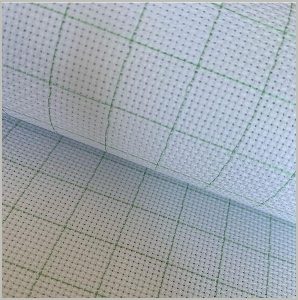
Aida with a grid already marked on it, usually in blocks of ten to match the gridlines on your pattern. The lines wash out when you’ve finished. The best-known versions are DMC Magic Guide Aida (red lines) and Zweigart Easy Count Aida (grey lines). Our guide to gridding cross stitch fabric compares it with gridding your own.
Project Bag
A bag used to store a cross-stitch project, including fabric, floss, pattern, and tools. We’ve got a full guide to choosing a project bag.
Q-Snap
A plastic frame used to hold fabric taut while stitching. Q-Snaps use PVC pipes and clips rather than the screw mechanism of a traditional wooden hoop.
Many stitchers prefer them because they don’t leave hoop marks on the fabric, they’re lightweight, and they come in various sizes that can be combined for larger projects.
Quarter Stitch
A short diagonal stitch from one corner of a square to its centre. It’s the smallest of the fractional stitches and usually sits next to a three-quarter stitch to smooth curves.
Railroading
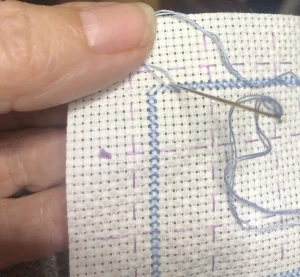
A technique where you guide the needle between the strands of floss as you stitch, helping the threads lie flat and smooth instead of twisting.
Railroading Tool or Laying Tool
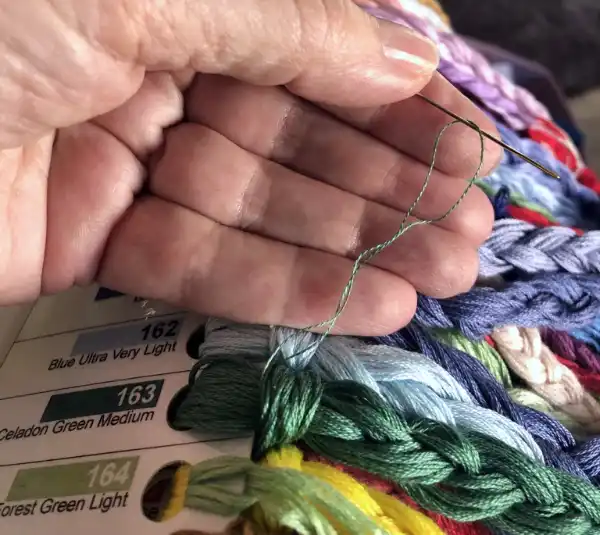
A small tool used to help guide the strands of floss so they lie flat and smooth on the fabric. It is often used alongside the railroading technique to improve stitch appearance and coverage. (Or you can just use your needle, as I do in the pic above.)
Railroaded vs Twisted Stitches
Railroaded stitches lie flat and smooth on the fabric, with the strands sitting neatly side by side. Twisted stitches occur when the floss twists as you stitch, which can make the crosses look slightly uneven or rope-like.
RAK (Random Act of Kindness)
A small surprise gift sent between stitchers for no reason at all: a bit of fabric, a skein or two, a pattern, a needleminder, a kit, sometimes a little finished piece. A lovely tradition in stitching groups, and proof the craft attracts good people (not just obsessed ones :)).
SABLE (Stash Acquired Beyond Life Expectancy)
The fond and faintly guilty term for owning more fabric, floss and patterns than you could realistically stitch in a lifetime. Worn as a badge of honour rather than confessed. If your stash has outgrown its storage and started colonising a second cupboard, you may already be here. Bravo! Welcome!
SAL (Stitch-A-Long)
A group event where lots of stitchers work the same design at the same time, usually released in parts over several weeks or months so everyone progresses together. SALs are a lovely way to stay motivated and feel part of something, especially on a bigger piece. The reveal at the end, usually in a group in person or online, when everyone shares their finished version in their own colours and fabric, is half the fun.
Sampler
A piece of stitching made to record or practise different stitches, motifs, or patterns.
Scroll Frame
A rectangular frame with two horizontal rods (or scroll bars) that hold the fabric. You roll the fabric around the rods to expose the section you’re working on, which makes scroll frames ideal for larger projects that won’t fit in a hoop. They keep the fabric taut without distorting it, and you don’t need to move the frame as often as with a hoop. There are many brands and sizes.
Seam Ripper
A small tool with a sharp, curved hook for cutting stitches. Handy for frogging large areas, used carefully from the back so you don’t nick the fabric.
SEX (Stash Enhancement eXpedition)
A stash-shopping trip, plain and simple, dressed up in an acronym to make you look twice. All it means is a happy outing (or browser session) to stock up on fabric, floss and patterns you absolutely do not need and will buy anyway. See also: SABLE (above), the inevitable destination.
Shade Card (Colour Card)
A card showing real thread samples for every colour in a brand’s range. Handy for matching colours, because screen colours are never quite right.
Snag Nab-It (Snag Repair Needle)
A short metal tool with a needle point at one end and a roughened shaft at the other. Push the point down through the fabric right beside a stray tail, loose loop or bit of fluff, and the rough end catches it and pulls it through to the back. Snag Nab-It is the Dritz brand name, and you’ll also see it sold as a snag repair needle or thread grabber. Generic versions work just as well and cost far less: we found a multipack of snag repair needles for less than we paid for our single branded one. It’s also small enough to lose, so we keep ours in our needle case.
Stab Method and Sewing Method
Two ways of making each stitch. With the stab method, the needle goes straight down through the fabric and is pulled through, then comes straight up from the back, in two separate movements. It suits fabric held taut in a hoop or frame and keeps tension even. With the sewing method, the needle goes down and comes back up in one scooping movement, like hand sewing. It’s faster, and is usually done with the fabric held loosely or in hand, often on evenweave or linen.
Stash
Your collection of fabric, floss, patterns and supplies waiting to be used. Most stitchers’ stash grows faster than they can stitch it, which is where SABLE comes in.
Stitch from Stash (SFS)
A challenge where you commit to stitching only from supplies you already own, buying nothing new for a set stretch of time. It’s the natural antidote to SABLE, and a way to actually use some of that beautiful fabric and floss you’ve been hoarding for the right project. Harder than it sounds. The right project always seems to need just one more skein.
Skein
The standard way embroidery floss is packaged and sold. It’s a loosely wound bundle of thread, typically 8 metres long for DMC and most other brands. Each skein contains six strands that can be separated for stitching. Most cross stitch patterns tell you how many skeins of each colour you’ll need; 2 is common.
Stork Scissors
Traditional embroidery scissors shaped like a stork, with the blades as its beak. They work just like plain embroidery scissors and are a stitching-basket classic. Pretty as they are, our everyday scissors are CANARY Tiny Scissors, made by Hasegawa Cutlery in Seki, Japan. They’re barely longer than your thumb, with handles almost bigger than the blades and a little plastic cover they click into, and they’re sharp enough to snip right up close to the fabric. We have a few pairs, because one is never where you need it.
Strand
One of the six individual threads that make up a skein of embroidery floss. Most cross stitch is done with two strands in the needle at once, though this varies depending on fabric count and personal preference. Patterns usually specify how many strands to use.
Stamped Cross Stitch
A type of cross-stitch where the design is printed directly onto the fabric. The stitcher follows the printed guide rather than counting stitches from a chart. The printed pattern usually washes out once the project is finished.
Stitch Count
The number of stitches wide and tall a design is. Used to calculate finished size and fabric requirements. Our guide to reading charts shows where to find stitch count.
Suture Scissors
Small scissors made for removing surgical stitches. One blade has a tiny hooked notch that slides under a stitch, so you can lift it and snip it without catching the fabric. That makes them brilliant for frogging, especially dense or tiny stitches.
Symbols Key
A chart that links each symbol in a pattern to its corresponding floss color.
Tapestry Needle
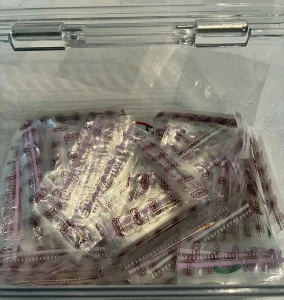
A needle with a large eye and blunt round point designed for tapestry and cross-stitch projects. For a little needle history, read about Hari Kuyo, the Japanese festival for broken needles.
Tension
How tightly or loosely stitches are pulled. Affects coverage and fabric distortion.
Thread Conditioner
A product used to reduce tangling and fraying of floss while stitching.
Thread Count
Often confused with fabric count, thread count refers to the number of threads (both horizontal and vertical) per inch in a piece of fabric.
In practice, cross stitchers usually talk about fabric count (how many stitches per inch), but you may see thread count mentioned when shopping for evenweave fabrics.
Three-Quarter Stitch
A half stitch plus a quarter stitch in the same square. It fills part of a square so curves and edges look rounder instead of stepped.
TUSAL
Totally Useless Stitch-A-Long. Stitchers keep their thread snippets (ORTs) in a jar and share a photo each month as the jar fills up.
Tweeding (Blending)
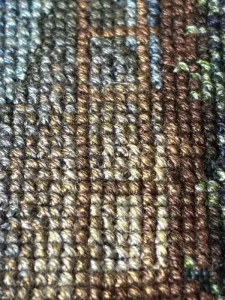
Tweeding is when you thread your needle with two different colours at once, one strand of each, and stitch them together so a single stitch carries both. Use it to blend a custom in-between shade, add a flecked or heathered texture, or ease a subtle colour change between sections so the shift is more subtle.
UFO (Unfinished Object)
A project that has been started but not completed. A planner can help you finally finish those UFOs.
Variegated Thread
Floss that changes color along its length, creating soft color shifts and variation as you stitch.
Warp and Weft
The two sets of threads in woven fabric. The warp threads run lengthways and are held taut on the loom, and the weft threads are woven across them. Knowing which is which helps you keep your fabric straight on the grain.
Waste Canvas
A temporary, stiff grid you tack onto a fabric that doesn’t have countable holes, such as a T-shirt or tea towel. You stitch through both layers, dampen the canvas and pull its threads out, leaving your design behind.
Waste Knot (Away Knot)
A temporary knot used to anchor thread at the start, which is later removed once stitches secure the floss.
Water-Soluble Canvas
A temporary stitching grid like waste canvas, but instead of pulling the threads out when you’re done, you dissolve it in water. Handy for stitching onto clothes, bags and other non-countable fabrics.
Whole Cross-Stitch
The basic stitch used in cross stitch. It forms a complete X shape and makes up most designs.
WIP (Work in Progress)
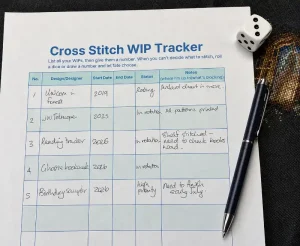
A project that is currently being stitched. A planner can help you get those WIPs under control. And if the pile keeps growing, here’s how to manage too many WIPs.
WTF (What a Terrible Finish)
The polite reading is “What a Terrible Finish”, wheeled out when a piece resists you the whole way and still won’t sit straight once it’s done. The other reading you can probably guess, often while frogging.
XS
Shorthand for cross stitch, used in hashtags, shop names and social media posts.
Zweigart
A German fabric maker known for Aida, evenweave and linen in a huge range of counts and colours. Lugana is one of their evenweaves.
New to cross stitch? Our cross stitch for beginners guide brings all the basics together in one place.


Leave a Reply