If the world feels heavier than usual right now, you’re not imagining it. Between rising costs, political chaos, and the general hum of uncertainty that seems to follow us into every news cycle, a lot of people are carrying more stress than they used to.
And when everything feels like too much, our instinct is usually to scroll to try to find some reassurance. Check the news. Open another tab. Refresh the feed. It feels productive, but just adds another layer of noise to an already noisy brain.
Cross stitch does the opposite.
It’s one of the most affordable, accessible, screen-free ways to actually relax. And it works whether you’re brand new to it or picking it back up after years away.
Your brain needs something to do with its hands
There’s a reason people reach for crafts during hard times. Knitting surged during COVID lockdowns. Jigsaw puzzles sold out. Cross stitch communities grew faster than they had in years.
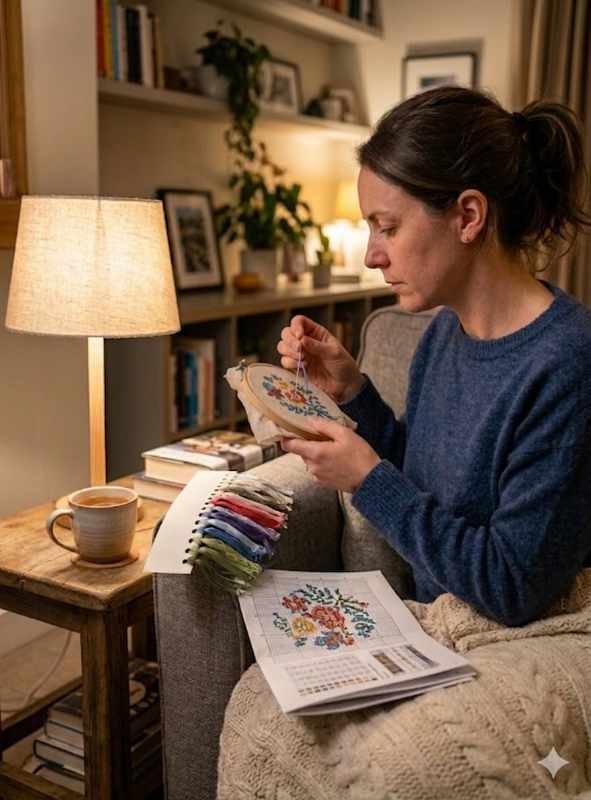
It’s not a coincidence. Repetitive, focused, hands-on activities give your brain something to do that isn’t worrying. The rhythm of placing stitch after stitch, following a pattern, counting squares, choosing colours: it draws your attention into the present moment in a way that scrolling your phone simply can’t.
Researchers call this a “flow state,” ( we call it ‘lost in cross stitch’) that feeling of being so absorbed in something that time slips away and your usual mental chatter quiets down. Cross stitch is great at triggering it because the work is detailed enough to hold your focus, but repetitive enough to feel calming rather than stressful. If some of those terms sound unfamiliar, our cross stitch glossary covers everything from aida to waste knots.
We wrote a whole post about the science behind cross stitch and mental health if you’d like to go deeper. The short version: studies consistently link hands-on crafts to calmer brainwave activity, reduced anxiety, lower blood pressure, and improved mood. One survey of over 3,500 crafters found that more than 80% of those experiencing depression reported feeling happier after crafting.
It’s screen-free (and your eyes will thank you)
Many of us spend our working day staring at a screen. Then we “relax” by staring at a different, smaller screen. Cross stitch breaks that cycle completely (if you’re not using an app for your pattern. I’m a big fan of paper patterns for that reason.)
There’s no blue light. No notifications. No algorithm deciding what you should see next. Just fabric, thread, and a pattern. Your eyes get a rest, your posture changes, and your hands do something that isn’t typing or swiping.
Our post on stitching on darker fabrics has some great tips to reduce eye strain.
Small projects are your friend right now
This is something we feel strongly about. When life is stressful, the last thing you need is a 200-hour full-coverage piece staring at you from across the room, barely started.
Small projects give you something big projects can’t: the satisfaction of finishing.
A design you can complete in two or three sessions gives you that lovely “done!” feeling. You chose it, you stitched it, you finished it. When so much feels out of your control, that small act of completion is genuinely powerful.
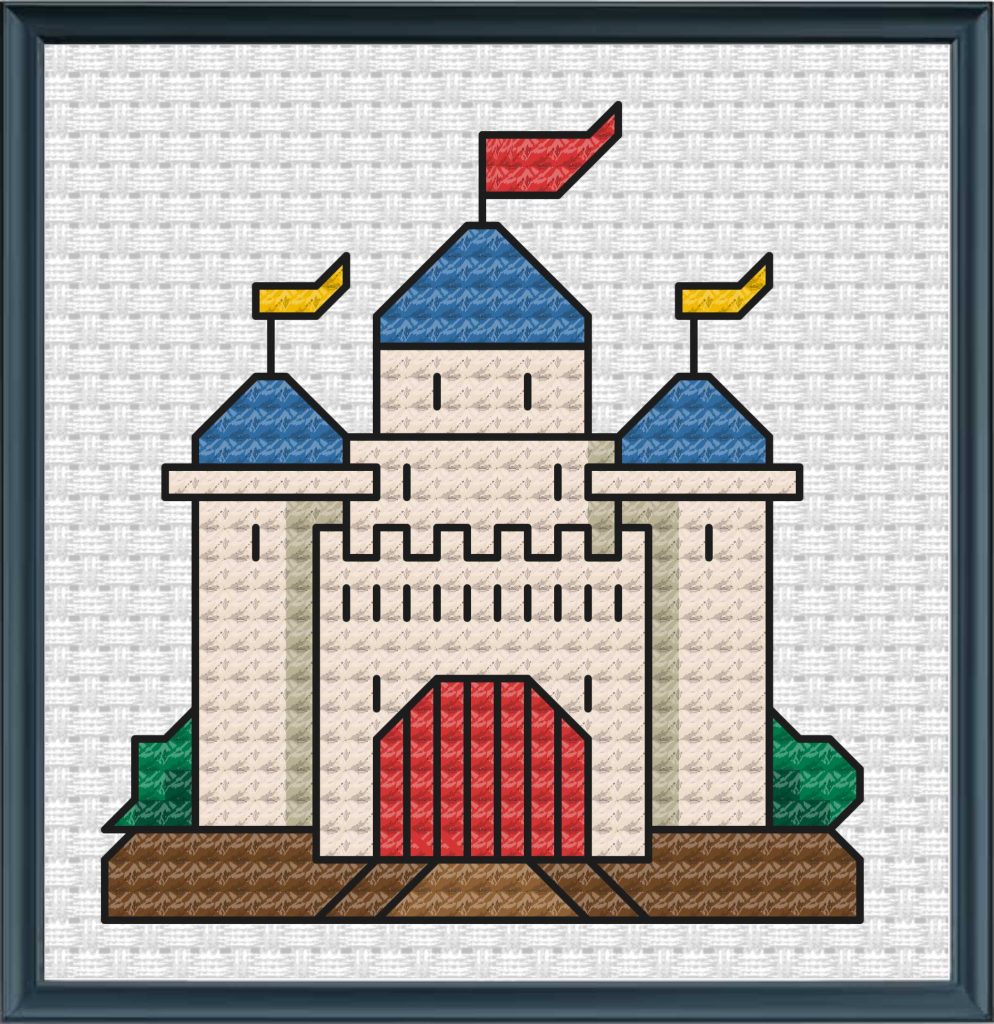
We started Lost In Cross Stitch with the aim of designing small patterns to get that lost-and-satisfied feeling often. You might find something to suit you in our holiday patterns, or our travel patterns, or our newest (and we think cutest-ever) tiny little fairy tale patterns. Plus some super-cute little dinosaurs.
We like to have a few things going at once. A small quick-finish project for when you want that satisfaction hit. Maybe a stitch-along (SAL) for the community aspect. And if you’re in the mood, a longer project that you chip away at over time with no pressure. That mix keeps stitching feeling like a choice, not an obligation.
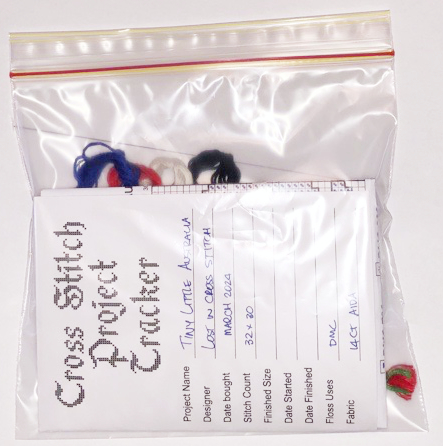
And if the idea of starting feels hard right now, setting up a project kit in advance makes it much easier to just sit down and stitch. When everything is already together in one bag, it’s so much easier to get started.
It doesn’t need to cost much
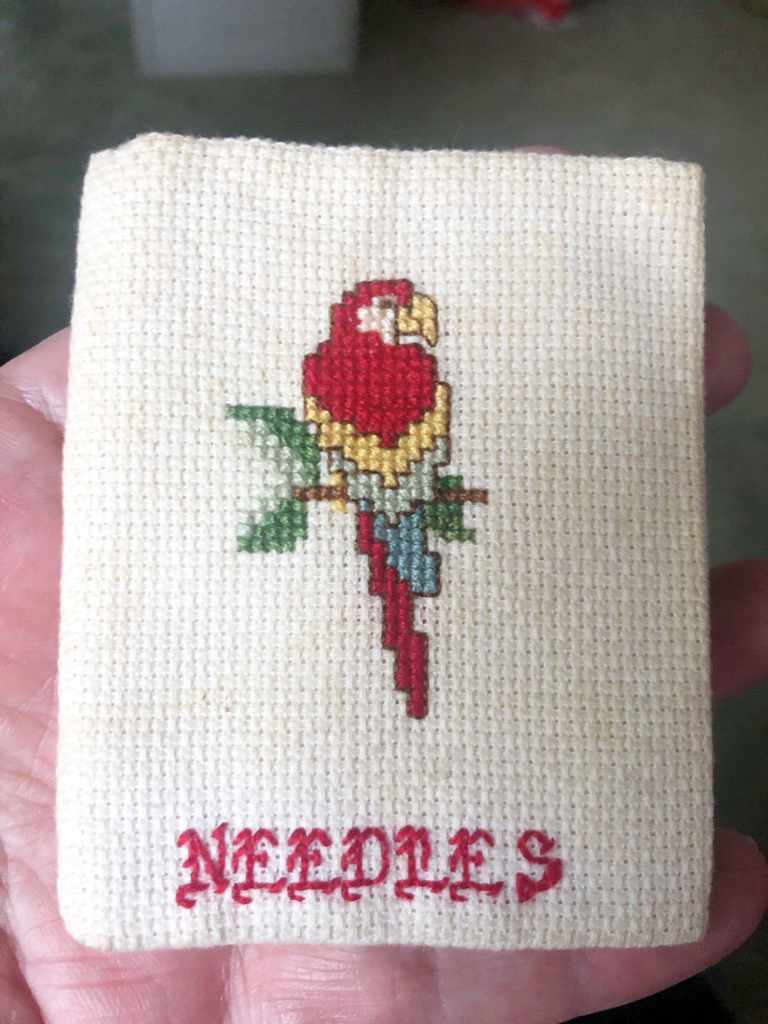
One of the loveliest things about cross stitch for relaxation is that it doesn’t need a big investment. A basic kit from a charity shop can cost a couple of dollars and comes with everything you need to start.
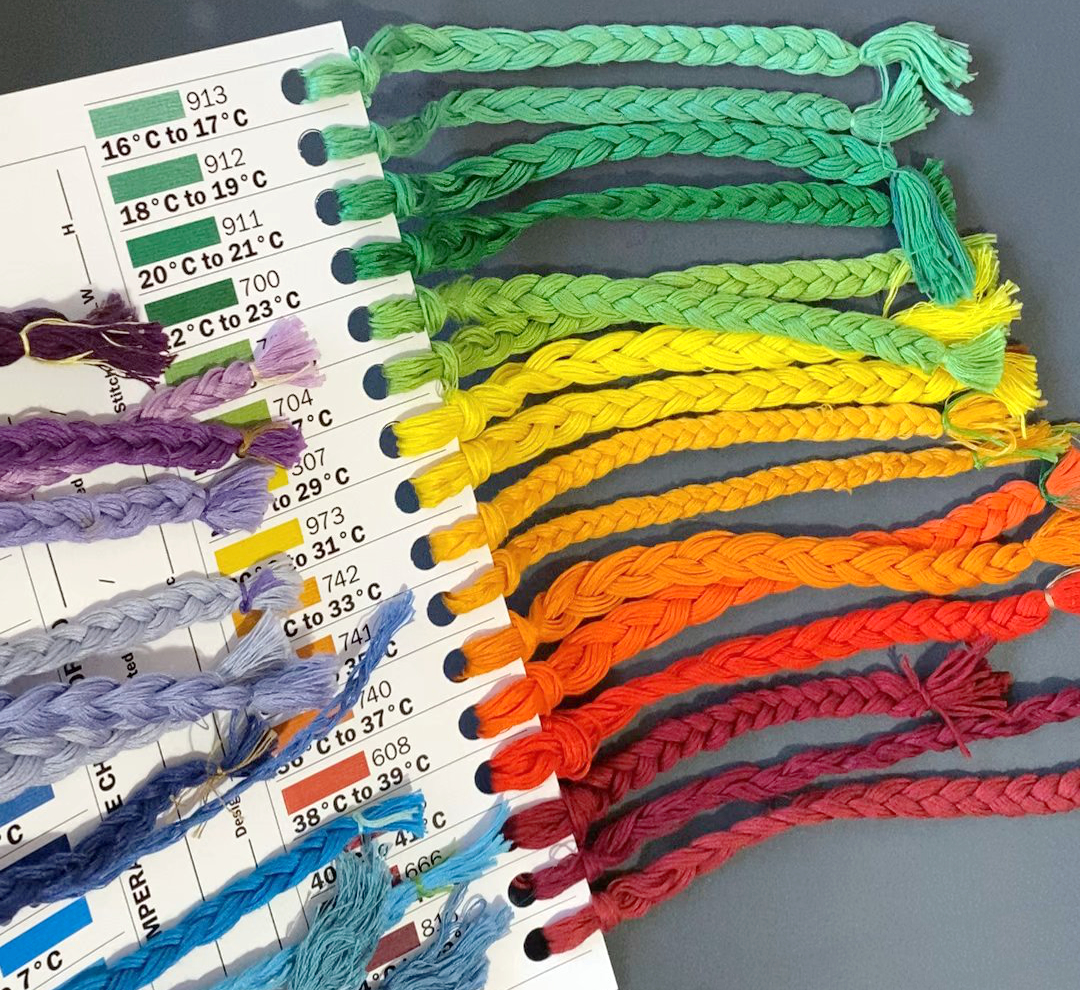
If you already stitch, you probably have enough in your stash right now to start something new tonight. A small piece of fabric, a few floss colours, a simple pattern, and you’re away.
And if money is genuinely tight, there are ways to keep costs down without giving up the hobby. Our budget cross stitch tips post covers practical ways to stretch your supplies further, and we’ve recently written about affordable alternatives to DMC floss that can make a real difference if you’re watching every dollar.
You don’t have to be good at it
Cross stitch isn’t a performance. Nobody is grading your tension or judging your back stitching. If it looks good enough to you from arm’s length, it’s good enough. If the back is messy, so what? As you stitch more often, the back gets tidier. It just does, because you learn about how you prefer to stitch. And if it’s different to literally anyone else you know, that’s fine too!
If you make a mistake, you can fix it, leave it, or learn from it. Perfection was never the point. The point is that for 30 minutes or an hour, your brain got to focus on something quiet and satisfying instead of spiraling through the algorithm-developed feed.
Some of the most experienced stitchers we know deliberately leave small imperfections in their work. It’s a reminder that the process matters more than the product.
It connects you to other people (if you want it to)
Cross stitch can be a beautifully solitary hobby. Just you, your needle, and your thoughts (or a podcast, or a binge watch, or silence, or whatever suits you).
But it can also be a way to feel less alone. Online stitching communities, stitch-alongs, and sharing progress photos can create a sense of connection that doesn’t demand anything from you. You don’t have to be social to benefit. Even watching other people’s projects progress can be delightful. And there’s always someone (usually many someones) in any group who’ll cheer your progress or latest finishes.
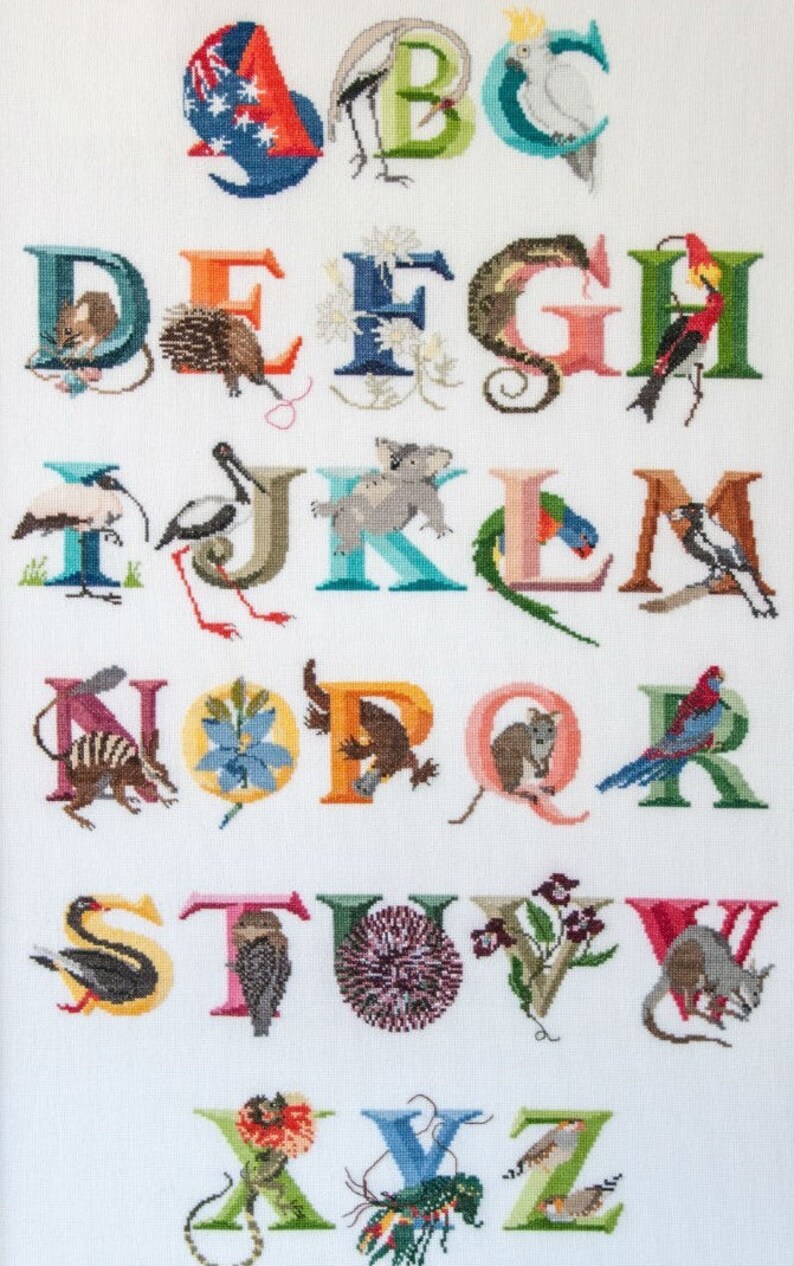
And if you finish something you’re proud of, there are so many ways to display or share it that the satisfaction keeps going long after the last stitch.
Getting started (or getting back to it)
If you’re new to cross stitch, our beginner’s guide walks you through everything from choosing your first project to threading your needle. It’s a low-pressure starting point.
If you used to stitch and life got in the way, this might be the nudge to pick it back up. You don’t need to start a big project. You don’t need new supplies. You just need a needle, some fabric, floss and your own permission to sit quietly for a while.
A cross stitch planner can help bring a bit of structure to your stitching if you find that helpful, or you can skip the planning entirely and just stitch whatever feels good today.
The world will still be there when you put your needle down. But you might feel a little steadier when you pick it back up.
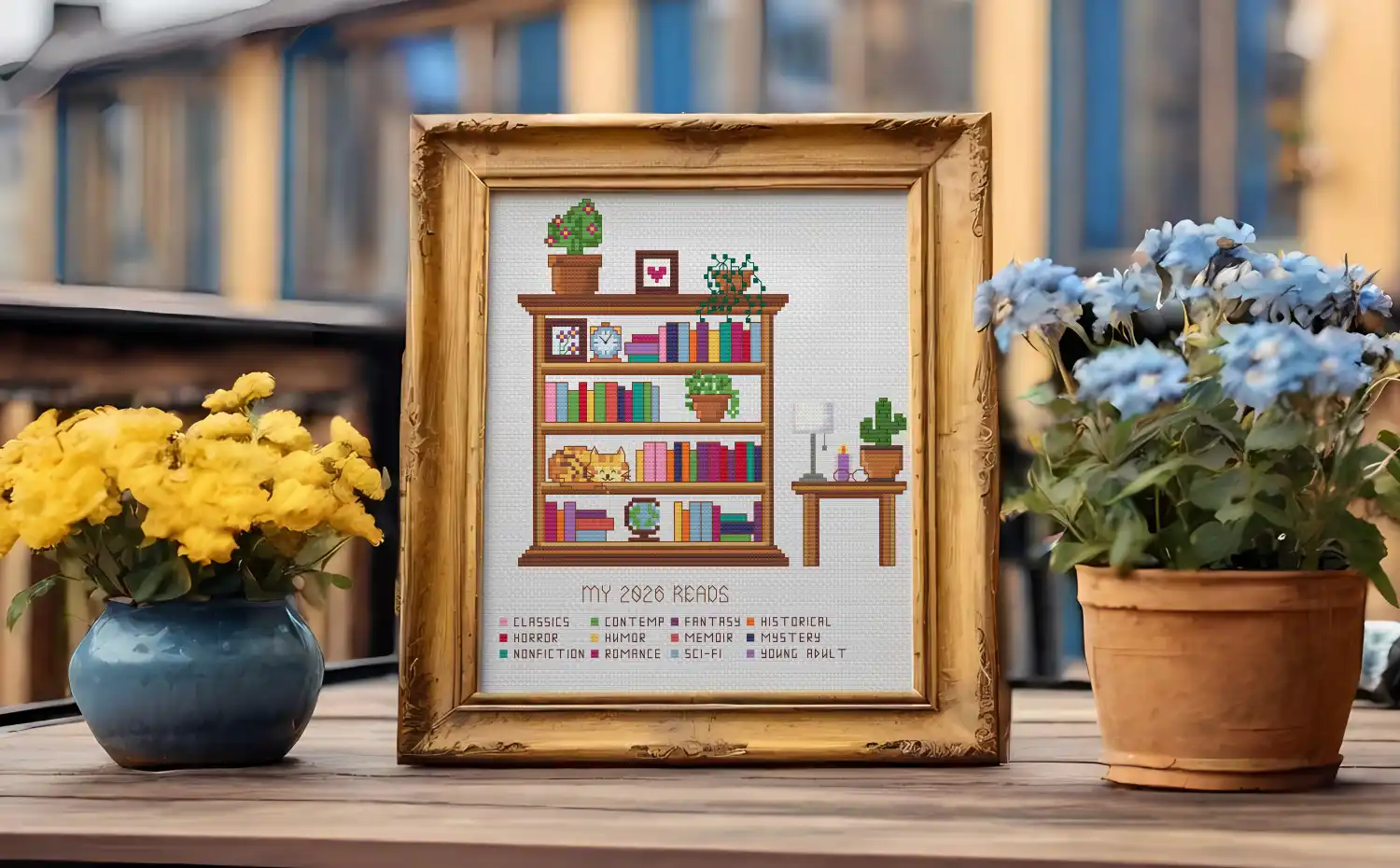
If you like the idea of a project you dip into all year rather than racing to finish, a bookshelf reading tracker is a gentle one, a single spine stitched each time you finish a book, no pressure, no deadline, just a shelf that quietly fills up.
Frequently asked questions
Is cross stitch good for anxiety?
Yes. The repetitive, focused nature of cross stitch can help calm anxious thoughts by drawing your attention into the present moment. Studies have linked crafting activities like cross stitch to reduced anxiety, lower heart rate, and improved mood. Many stitchers describe it as a form of meditation.
What hobbies help with stress relief?
Hands-on, screen-free hobbies tend to be the most effective for stress relief. Cross stitch, knitting, crochet, embroidery, jigsaw puzzles, and colouring are all popular choices. The common thread (pun intended) is that they involve repetitive, absorbing actions that quiet mental chatter and create a sense of calm focus.
Is cross stitch an affordable hobby?
Very. You can start with a kit from a charity shop for a couple of dollars. Even building a full supply of materials over time is manageable on a tight budget. Digital patterns are often inexpensive, and a single skein of floss lasts through multiple projects. We’ve written about budget-friendly ways to keep stitching and affordable thread alternatives if cost is a concern.
Can cross stitch help with depression?
An international survey of 3,545 knitters, published in the British Journal of Occupational Therapy, found that 81% of those who had been feeling low reported feeling happier after a session. The researchers linked this to the repetitive, focused nature of the craft, which is exactly what cross stitch shares with knitting.
What’s the best cross stitch project for stress relief?
Something small, simple, and satisfying to finish. Avoid starting a massive project when you’re already stressed. A design you can complete in a few sessions gives you a sense of accomplishment without adding pressure. Repetitive patterns, soothing colours, and designs that don’t require constant counting tend to work best for relaxation.
Is cross stitch a form of meditation?
Many stitchers describe it that way. The rhythmic, repetitive motion of placing stitches can induce a state of focused calm similar to mindfulness meditation. It’s sometimes called a “flow state,” where you become fully absorbed in on the most relaxing hobbies, and everyday worries fade into the background. We call it: lost in cross stitch.