

What thread to use for cross stitch affects how your stitches look, how smoothly you stitch, and how much frustration you run into along the way.
This guide covers the most common thread types, how they’re used, and what to look for when you’re starting out. You don’t need to try everything at once. Understanding the basics is enough to get good results and enjoy the process.
Note: cross stitch thread is also often referred to as floss. They’re interchangeable terms, but many cross stitchers and embroiderers prefer to use ‘floss’. :)
1. Stranded Cotton
This is the go-to choice for most cross-stitch projects.
It usually comes in a skein of about 8m long, made up of six individual strands of 100% cotton.
Depending on the fabric count and the effect you want to achieve, you can use all six strands or separate them to use fewer. Most designs use 2 strands at a time, with one strand for back stitch. If you’re stitching on 11 count Aida you might prefer the greater coverage of 3 strands.
2. Pearl Cotton
This is a bit different from stranded cotton. It’s a non-divisible thread, meaning you use it as is. It’s slightly thicker and gives a more pronounced texture to your work. This type of thread is great for adding a bit of depth to your design. There’s also not as many colors so it’s not always the best choice.
3. Specialty Threads
For those looking to add some pizzazz to their projects, specialty threads like variegated (which change color along their length), metallic, or over-dyed threads can add interesting effects.
While they can be a bit trickier to work with (metallics, looking at you!), they are perfect for adding unique touches to your project.
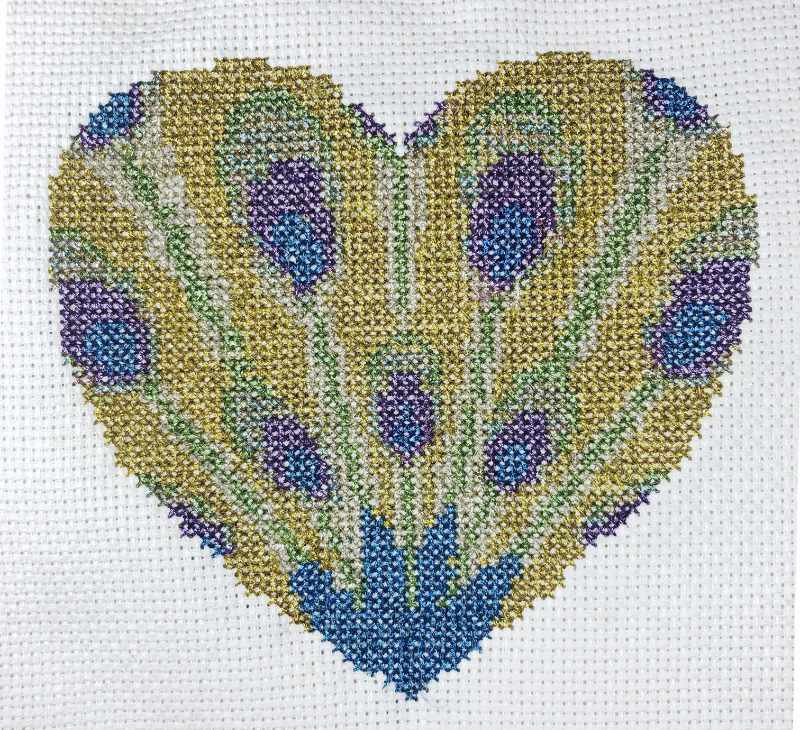
Understanding these basic thread types is the first step in selecting the perfect threads for your cross-stitch project. Each type brings its own qualities and can help you achieve different effects in your stitching.
Customizing Colors
While it’s easiest to stick to the recommended colors, feel free to experiment with shades if you’re feeling adventurous or if you’re substituting unavailable colors. DMC does discontinue colors from time to time and replace them with similar ones.
Stop Buying Duplicate DMC Floss
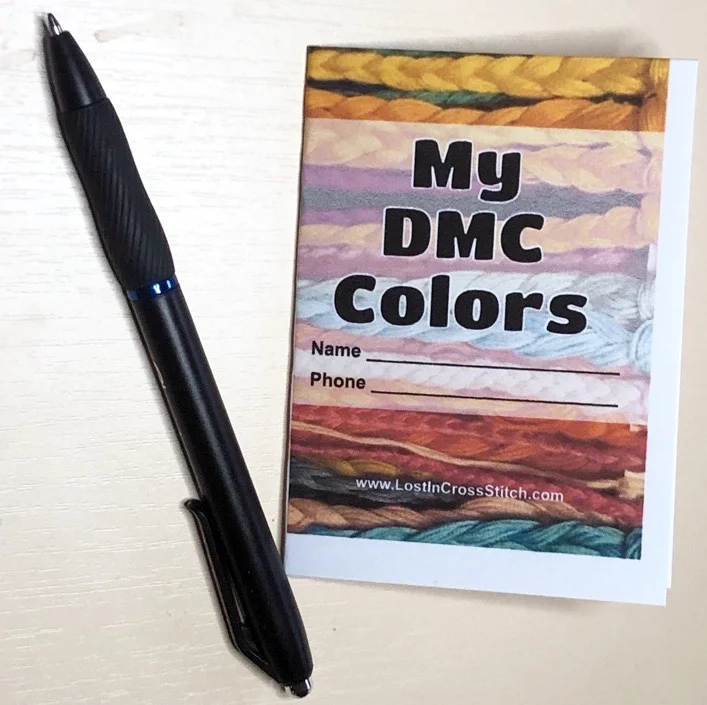
This printable mini-book is a pocket-sized DMC inventory you can carry in your project bag. Mark what you own and what you still need, then check it at a glance in the shop, no more scrolling through notes on your phone. Trusted by hundreds of stitchers (and counting!) Instant download, print as many copies as you like.
Cross Stitch Thread Quality and Brand Recommendations
Choosing the right thread goes beyond color; quality also matters.
Opt for Trusted Brands
The brand you’re most likely to find in your local crafts store is DMC. This French textile company has been around since the 1700s and their product is great – stable dyes, high quality long-strand cotton and robust threads that will stand the test of time in your designs. And over 500 colors at time of writing.
Another brand you may find is called Anchor. However DMC bought them in 2023 and there’s no word yet on what will happen to the brand.
Color Fastness
You may find offers of no-name cross stitch threads. In our opinion you use them at your own risk. We always do a gentle hand wash of our finished work, to remove any body oils on the fabric – otherwise your work can develop weird dark spots over time.
We’ve never experienced DMC threads losing or running color. That’s not to say your experience would be the same. But we wouldn’t risk a no-name thread, especially for items that you’ll be washing more often, like cushions or decorations on clothing.
When Sandy first started cross stitching, she would buy a few skeins every time she got paid so her stash built up over time. Many of those early threads are still in her stash (though getting sparse!)

Good quality thread lasts for years, because for most designs you’ll only use a small part of the skein. This means most stitchers end up with a growing collection. Having a basic organization system makes it easier to use what you already have.
Preparing and Handling Cross Stitch Threads
Properly preparing and handling your threads can make your stitching process more efficient. This is such a huge topic that it’s often discussed at great length and will considerable passion in online groups.
Measuring and Cutting Threads
Cut your thread to a manageable length (around 40cm/16 inches) to avoid tangling and knotting as you sew.
Organizing Threads
There are literally dozens of ways of storing your thread stash – we’ll do some posts on this later and link here. (If you’ve just read this sentence, we haven’t written them yet).
Popular ways are using bobbins or thread organizers. Label them with their color numbers for easy reference.
That Ties Things Up
If you follow the designer’s color chart and use great quality floss, you’ll set yourself up for a great stitching experience.
What to Look at Next
Now that you understand the main types of cross stitch thread and what beginners typically use, you might like to:
- Learn how to read thread charts and color keys in cross stitch patterns
- Make sure you’re using the right needle for cross stitch to match your thread and fabric
- Set up your fabric properly before stitching
- Or return to the Beginner’s Guide to Cross Stitch to see how materials, tools, and setup fit together


Leave a Reply