
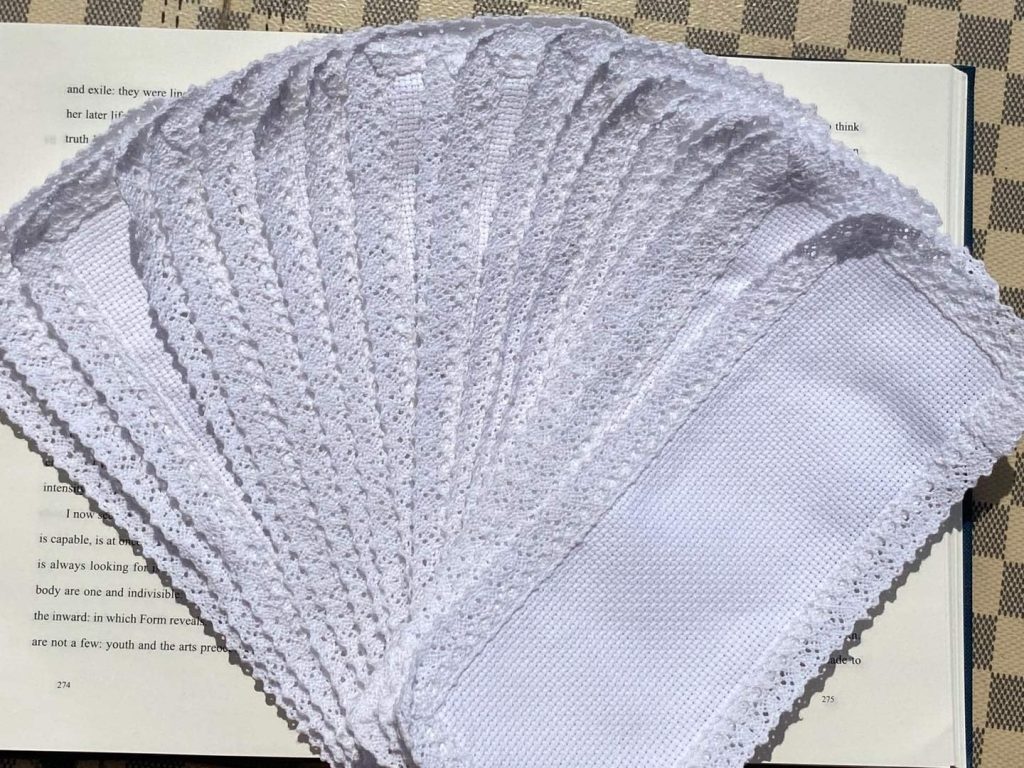
Not every cross stitch project needs to be framed, hung, or treated like a finished artwork.
There are many designs that make perfect cross stitch gifts because they’re practical and personal pieces you can use, gift or store without needing wall space.
In this post
Why Small Cross Stitch Projects Work So Well
Small and giftable cross stitch projects are popular because they:
- don’t require wall space
- suit leftover fabric and thread
- work well for motifs and samplers
- make thoughtful, low-pressure gifts
- give you that “I actually finished something” feeling
They’re also a great option if you stitch for enjoyment first and outcome second.
Below are some of the most popular ways stitchers turn finished pieces into small cross stitch gifts and everyday objects.
13. Bookmarks – A Classic Small Finish
Bookmarks are one of the most flexible small cross stitch projects.
They work well because:
- they don’t need perfect tension
- they suit narrow or vertical designs
- they’re quick to finish
- they make easy gifts
Popular bookmark styles include:
- fabric bookmarks finished with lace, edging, or stitching
- Aida band bookmarks for slim designs
- folded or “tube-style” bookmarks where the stitching is protected
- perforated paper bookmarks for a firmer finish
Bookmarks are ideal when you want something finished but don’t want to commit to a larger project.
14. Greeting cards and gift tags
Greeting cards and gift tags are one of the simplest ways to finish a small stitched design. They’re light, inexpensive to post, and they feel personal without being a big commitment for the recipient.
They’re often made using:
- a small stitched motif
- cardstock or blank cards
- double-sided tape or glue
- a cut-out window, if you want the stitching to sit inside the card
These work well for:
- birthdays and holidays
- thank-you notes
- new baby cards (names and dates)
- quick “thinking of you” notes
- small motifs like hearts, stars, flowers, pets, and initials
How to make a stitched card or tag
You can keep it simple:
- Stitch your small design and press it flat.
- Trim the fabric, leaving a border so it doesn’t fray.
- Stick it to cardstock, or mount it behind a cut-out window.
- Add a backing layer inside the card or behind the tag to hide raw edges and keep it neat.
If you want a more polished finish, add a second layer of cardstock as a liner. It hides the messy bits and makes the card feel sturdier.
Worth knowing:
- If the design has beads or raised stitches, a window style usually sits flatter.
- If you’re posting a card, keep it flat and avoid bulky finishes.
- For gift tags, punch the hole after you’ve added the backing layer, so it stays strong.
15. Keychains and Tags
Well, keychains are almost a subculture. Definitely a rabbit hole! Keychains make great cross stitch gifts because they’re both portable and personal.
They’re often made using:
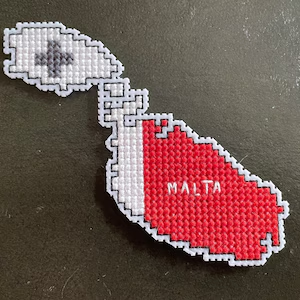
- plastic canvas
- pre-cut wooden or acrylic shapes
- small stitched panels set into hardware frames
These work especially well for:
- initials
- simple motifs
- pets, symbols, or small icons
Keychains are practical cross stitch gifts and don’t require the recipient to display them — which makes them surprisingly low-pressure to give.
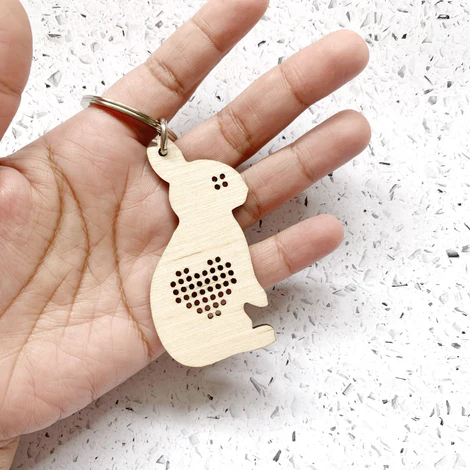
This one from Wombat Laser.
Use plastic canvas or add firm interfacing and perhaps a piece of felt behind your stitch, trim the edges, then attach a key ring. Consider playful motifs—pets, flowers, or geometric designs.
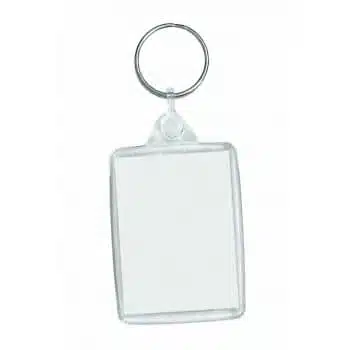
However you decide to make a keyring, you can personalise them with a name, phone number, and your (or the recipient’s) favourite motifs.
Tie Fighter, anyone?
16. Magnets
Magnets are a great way to finish very small designs.
They can be made by:
- stitching on plastic canvas or perforated paper
- attaching a magnet backing
- mounting stitching onto disks, buttons, or firm bases
Magnetic finishes work well for:
- fridges
- noticeboards
- craft rooms
- lockers or office spaces
They’re also easy to customise, which makes them popular as small gifts or keepsakes.
One of our customers sent this image she made from our Tiny Little Malta flag map design. She made it into a fridge magnet – we couldn’t love it more!
Here’s a lovely tutorial On Girl With the Elephant Tattoo. In the image below, she’s used small wooden disks that she covers with the stitched piece, and stuffs with some toy stuffing to give it some depth. Then finish the back with a bit of felt, and glue on a magnet. So pretty. It’s a very helpful step-by-step tutorial.
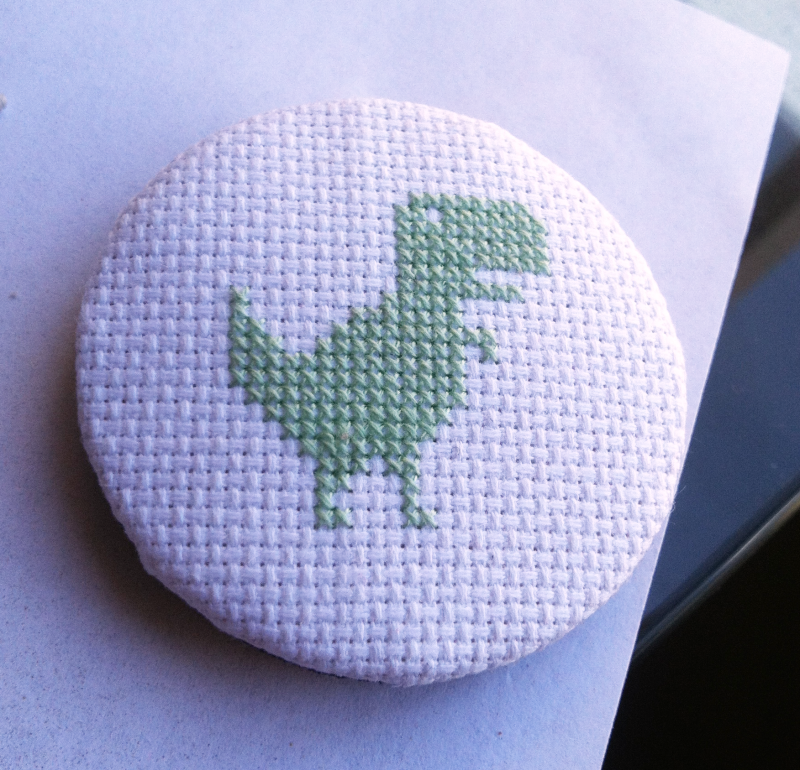
You could even do this with covered buttons.
17. Covered buttons (and button-style pins)
Covered buttons are another great way to use tiny motifs. They feel a bit “finished” and polished, and you can use them in a few different ways.
How to make a stitched button finish
A few easy options:
- Stitch on perforated paper or plastic canvas, then use it as the top layer on a button base.
- Mount the stitching onto a button blank or small disk, then finish the back neatly with felt.
- Turn it into a pin/badge by attaching a pin back instead of a magnet.
Where stitched buttons work well
- On project bags or needle cases
- As a little gift add-on
- On jackets, tote bags, or hats (if you want it wearable)
- As a set of matching buttons from the same pattern theme
If you like the wooden disk magnet tutorial above, the same “cover the base, add felt backing” approach works beautifully for buttons too.You could even do this with covered buttons.
18. Needle Cases and Pincushions
Needle cases are one of those finishes that many stitchers make once and then never stop using.
They’re practical, durable, and personal. Small stitched organisers can include:
- needle books
- needle cases
- thread keepers
- small tool wraps
These finishes are so satisfying because they:
- stay useful for years
- don’t rely on decor trends
- feel like stitching for stitchers
They also make excellent gifts for people who craft themselves.
Pincushions are a great add-on finish
If you’ve got small motifs, leftover fabric, or a few spare floss colours, a pincushion is a quick project that still feels “finished.”
You can go as simple or fancy as you like:
- a flat square or rectangle cushion
- a round pincushion
- a biscornu-style pincushion (great for tiny designs)
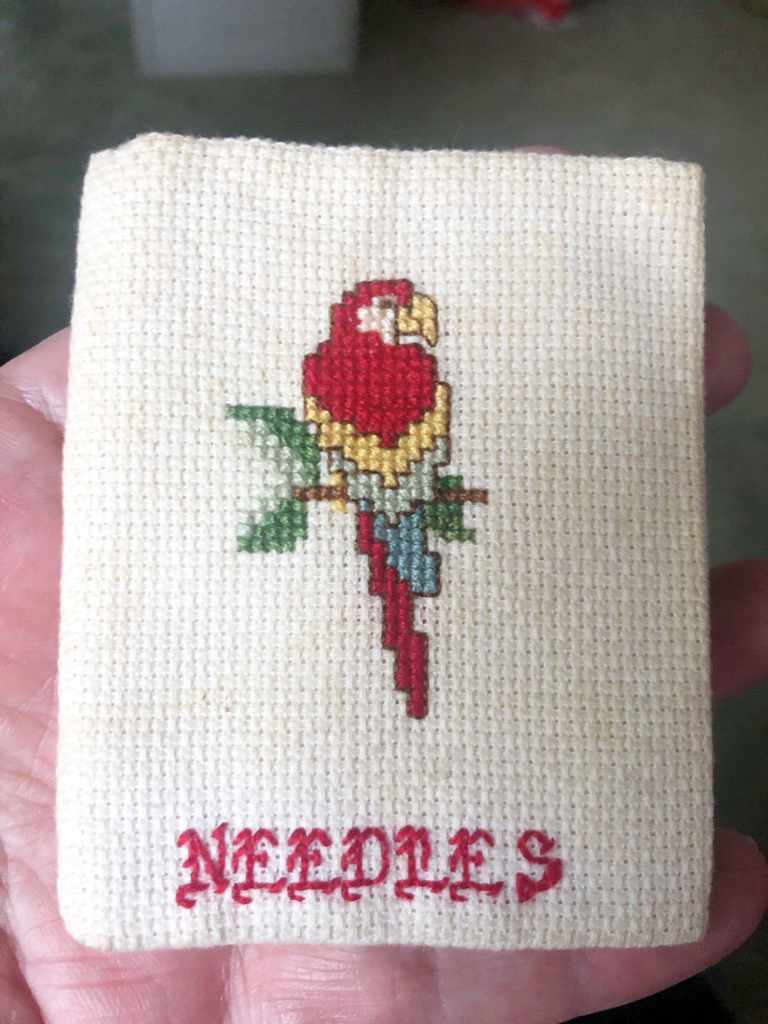
My needlecase is below, it’s one of the first non-framing things I ever made. I’ve used it for 30 years! It’s a little grubby from being handled so often but it’s still going strong.
It’s completely self-lined and hand stitched – no sewing machine required. You can make your own with our pattern and full 16 page all-photo instruction guide. Pick it up in our Etsy shop.
19. Hanging pieces and mobiles
Some small finishes are meant to move, sway, or hang lightly rather than sit in a frame. They’re simple, flexible, and they suit tiny designs beautifully. These include:
- Hanging mobiles
- Small hanging motifs (single designs or little sets)
- Mini banners or hanging strips
- Lightweight garlands
Because they’re lightweight and changeable, they:
- suit small designs
- are easy to move around
- feel playful rather than precious
If you like decorating your craft space, this is a great way to use small motifs without needing a wall full of frames.
20. Ornaments and seasonal decor
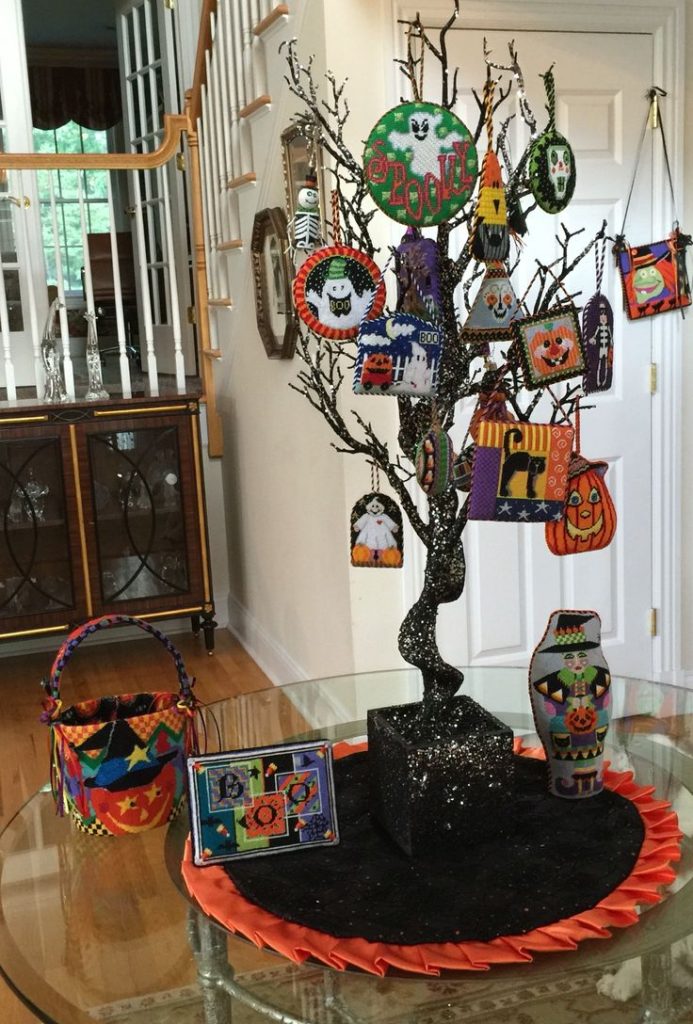
Seasonal finishes are fun because they aren’t meant to be permanent. You get to bring them out, enjoy them for a while, then pack them away until next year.
Seasonal finishes can include:
- Ornaments
- Holiday decorations
- Seasonal trees or themed sets
- Small seasonal hangings
Why seasonal stitching is so satisfying
- It’s a great way to enjoy stitching without committing to year-round display.
- It’s easy to rotate or store.
- It’s perfect for small motifs and quick projects.
It can also become a lovely family tradition, you add a new ornament each year and slowly build a collection that means something to you.
When Small Projects Make the Most Sense
Small and giftable cross stitch finishes are a good choice if:
- you enjoy finishing projects regularly
- you stitch motifs rather than full scenes
- you like giving handmade gifts
- you don’t want more wall decor
- you want stitching to be part of everyday life.
They’re also ideal if you’re short on time or space but still want the satisfaction of a completed piece.
How This Fits Into the Bigger Picture
This post is part of our series on finishing cross stitch. Start with the overview, 20 Cross Stitch Finishing Options, or go to another part: wall displays, wearable cross stitch, cross stitch decor and small projects and gifts.
Want more finishing ideas? Take a look at the full set of ideas 20 Ways to Finish Cross Stitch hub.
Or, jump directly to the section that suits your piece. If you want your finished piece to:
- Be seen often, in one spot > Wall display.
- Be seen and handled > Decor.
- Be used regularly > Wearable or functional.
- Be a fast stitch > Small and giftable.
A Final Thought
Small projects don’t mean small effort or small enjoyment.
Sometimes the most satisfying finishes are the ones that:
- get used
- get gifted
- or quietly live in a drawer for you to appreciate any time.
If a piece feels finished to you, that’s enough.


Leave a Reply