
Are you looking for cross stitch decor ideas without defaulting to a frame?
You can turn your stitched pieces into cushions, wall hangings, quilts, ornaments, and other display-worthy items.
In this post
8. Create a Pillow or Cushion
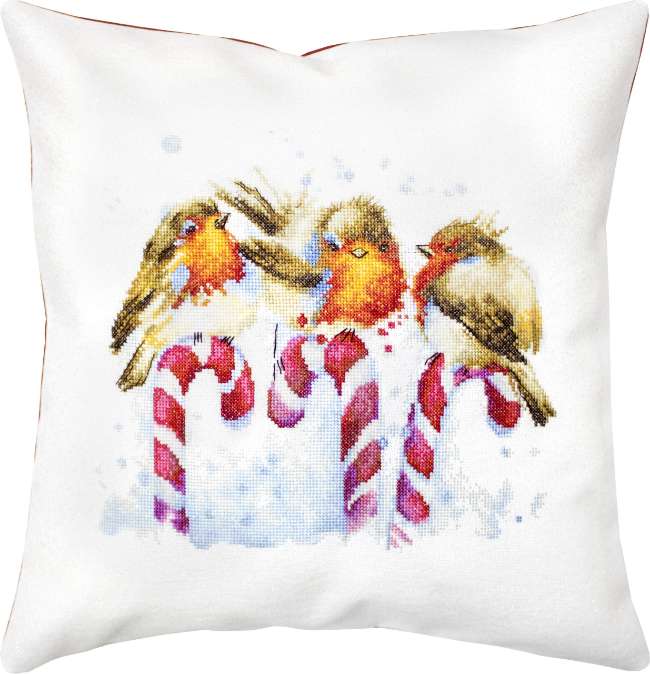
A cozy pillow or cushion can add a touch of handmade charm to your living space. It’s a delightful way to showcase your creativity and crafting skills beyond traditional framing.
Let’s dive into the step-by-step guide to crafting a cross stitch pillow that will effortlessly blend artistry and comfort into your home decor.
9. Make a Quilt Square
Adding cross stitch to a quilt is a practical form of cross-stitch decor, especially for pieces you want to use rather than hang on a wall. It works well for motifs or designs that feel too small or informal to stand alone.
When treated like a quilt block, cross stitch becomes part of the overall design instead of the focus. Surrounding it with plain or lightly patterned fabrics helps the stitching sit comfortably within the quilt rather than competing for attention.
This approach suits cross-stitch decor that’s meant to be lived with — folded over a chair, used on a bed, or brought out seasonally — rather than displayed on its own.
10. Convert into a Wall Hanging
This is an interesting and possibly more cost effective way of displaying your work.
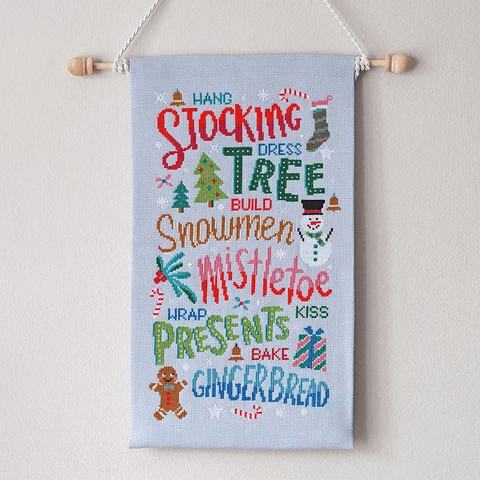
Hem your work and add a pocket along the top and/or bottom. Then thread a wooden dowel or a metal rod through the pocket.
Add a decorative cord, maybe some cute embellishments like tassels or ribbons or twine, and hang.
Voila.
Magnetic poster hangers (easy to swap, easy to style)
Magnetic poster hangers use two wooden bars with strong magnets inside. You clamp the fabric at the top and bottom, then hang it with the included cord or strap. It gives a simple, minimalist look, and it is easy to change out when you feel like a refresh.
Best for
- long samplers
- seasonal pieces you want to rotate
- stitched fabric you do not want behind glass
Worth knowing
- choose a hanger that matches the width of your stitched area, or slightly wider
- if the fabric is thick, check the magnet strength
- for extra grip, some people add a thin strip of acid-free double-sided tape inside the hanger
There’s a full tutorial for a DIY magnetic hanger on Gathered.

If you hang a cross stitch ‘open air’ (no glass/acrylic in front), dust will slowly settle into the stitches and fabric. Over time it can dull light areas, and the gritty particles can add tiny amounts of wear when the piece moves in airflow or when it’s handled for cleaning.
Dust can hold moisture. In a damp spot, that can contribute to mildew or mold. Dust build-up can also attract insect pests.
If you want the best protection from dust (and day-to-day splashes or fingerprints), glazing is the strongest option. Glass or acrylic creates a barrier that cuts down airborne dust and household pollutants (like grease or smoke) reaching the stitching.
If you keep it open-air, gentle maintenance works well: use low suction and vacuum through a mesh/screen (tulle, nylon stocking, fiberglass screen) so the nozzle never grabs threads.
11. Cross Stitch Coasters
Yes, it is possible to turn cross stitch into functional cross-stitch decor. I first saw these in the 1990s – clear plastic coasters with room at the back to insert a cross stitch design.
They came in all sorts of shapes and sizes and were surprisingly expensive, so I only ever bought three. I still have them. Nearly 30 years later they’ve held up fairly well, although they’re definitely showing their age, including a burn mark from a guest who stubbed out a cigarette. Right???

These are great for small designs, and these days there are far more options.
This style of coaster comes and goes but they do a great job of protecting your stitching while keeping it usable. As I’m writing this I’m looking for a link where you could pick up a set.
- Current options include:
- wooden or cork shapes with tiny holes that you stitch directly into (though it’s worth thinking about whether you want drinks resting straight on your stitches)
- plastic, perspex, or acrylic frames in many shapes and sizes, now much cheaper and easier to find
- plastic canvas finishes, which handle spills better than you might expect
- fabric coasters, hemmed and backed with cork or padding.
Resin-set finishes pop up from time to time as well.
Personally, I lean toward simpler solutions: fewer supplies, less fuss, and more time spent stitching.
12. Cross Stitch Ornaments
Ornaments are a natural fit for seasonal cross-stitch decor. They’re small, decorative, and easy to rotate through the year, which makes them especially appealing if you enjoy stitching for holidays or special occasions.
From Christmas to Easter, Halloween to Valentine’s Day, there’s almost always a design that suits the moment. Ornaments are also a good choice when you’re in the mood for something quick and display-worthy rather than a long project.
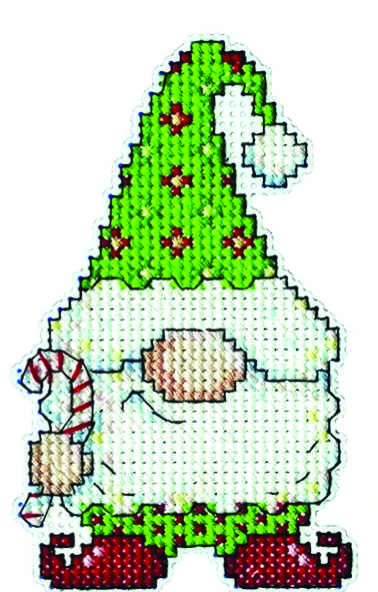
Common ornament styles include:
- flat stitched pieces backed with felt or fabric
- mini hoop finishes
- simple padded or 3D shapes
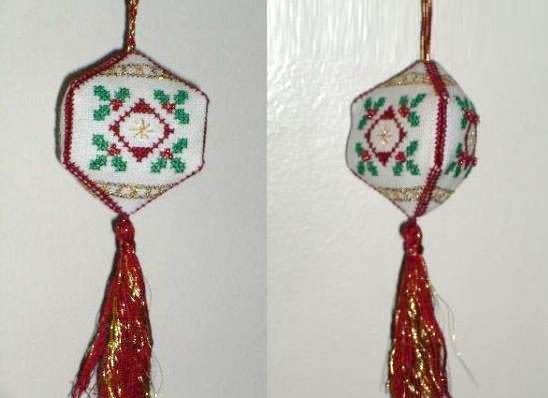
They can be stitched on Aida, evenweave, or perforated paper, depending on the look you want and how structured you’d like the finished piece to feel.
Small embellishments like ribbons, beads, metallic thread, or simple tassels can add a bit of interest without overpowering the stitching. A hanging loop is all that’s needed to turn a finished piece into decor.
Ornaments are often stitched for enjoyment rather than permanence, but many people like to add a date or initials. Over time, they quietly become part of a family’s seasonal rhythm.
So Many Ideas, So Little Time
There’s no shortage of ways for cross stitch decor. Sometimes the hardest part is choosing which idea to try next. Spending too long Googling can get overwhelming (and cut into actual stitching time), so the aim here is simply to show what’s possible.
If even one of these cross stitch decor ideas sparks a project, then the page has done its job. Whether you stitch something to hang, use, rotate seasonally, or simply enjoy making, there’s always another way to let cross stitch fit into your space and your life.
Want more finishing ideas? Take a look at the full set of ideas 20 Ways to Finish Cross Stitch hub.
Or, jump directly to the section that suits your piece. If you want your finished piece to:
- Be seen often, in one spot > Wall display.
- Be seen and handled > Decor.
- Be used regularly > Wearable or functional.
- Be a fast stitch > Small and giftable.
This post is part of our series on finishing cross stitch. Start with the overview, 20 Cross Stitch Finishing Options, or go to another part: wall displays, wearable cross stitch, cross stitch decor and small projects and gifts.



Leave a Reply